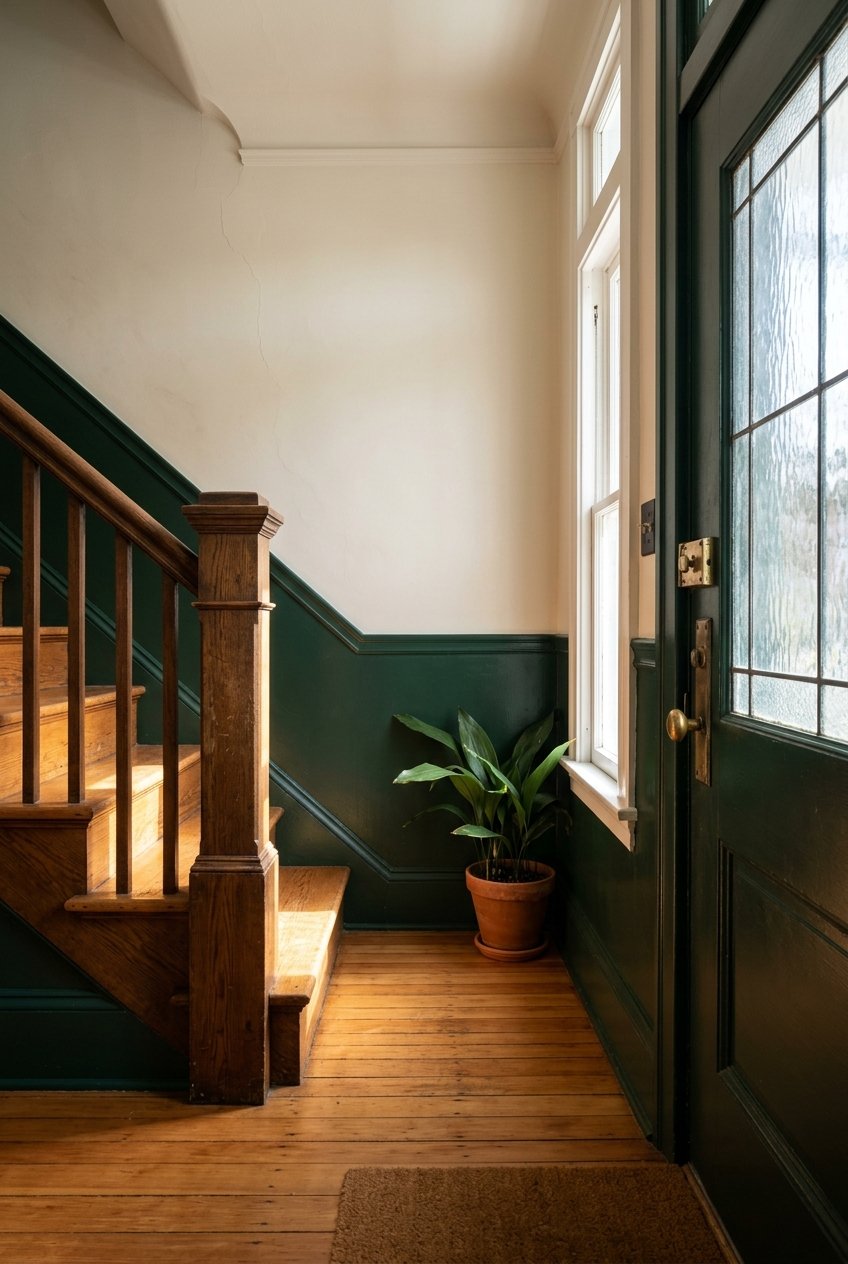
If you have ever fallen for a front porch, original woodwork, or a cottage tucked against the hills, you already understand the pull of a character home in Manitou Springs. The charm is real, but so are the details that come with buying an older property in a city with active historic preservation and distinct site conditions. If you want to enjoy the beauty without getting surprised later, it helps to know what to look for before you write an offer. Let’s dive in.
Why Manitou Springs character homes stand out
Manitou Springs is not simply an older housing market. It has been a Certified Local Government with an active historic preservation commission and local historic district since 1980, and the city’s design guidelines are based on the Secretary of the Interior’s Standards. That matters because the character of these homes is supported by an ongoing local preservation framework, not just nostalgia.
The city’s historic district includes 16 subdistricts, and each one can feel a little different. As you tour homes, you may notice that one block leans more Victorian while another feels more rustic or cottage-like. That variety is part of what makes buying in Manitou Springs feel so personal.
Local styles described in the city guidelines include Queen Anne Victorian, Craftsman, Folk Victorian, Rustic, American Foursquare, Pueblo Revival, Shingle, Stick, and log-cabin forms. You may also see bay windows, small towers, gingerbread trim, exposed rafters, full-width porches, low-hipped roofs, and wood-shingle cladding. These details are not random accents. They are often part of what gives the home and the street its historic identity.
What “character” really includes
In Manitou Springs, character goes beyond trim and paint color. The city treats porches, roofs, windows, stone walls, bridges, stairs, and site drainage as important character-defining elements. In other words, the setting and structure matter just as much as the decorative details.
That is especially important on hillside or older lots. A stone retaining wall, a set of stairs, or the way water moves across the property may all affect how the home functions and what future repairs could involve. When you buy a character home here, you are often buying a whole site story, not just a floor plan.
Check historic status early
One of the smartest steps you can take is to verify the property’s historic district status as early as possible. If the home is in a local historic subdistrict, the permit submittal and review process can change. That can influence your renovation plans, timeline, and budget.
Manitou Springs requires a Property Improvement Permit for almost all interior and exterior remodeling or construction before work begins. If a project changes the appearance of a historic property, the Historic Preservation Commission may review it. That means even a seemingly straightforward update may involve more than a contractor bid and a start date.
If you are dreaming about replacing windows, reworking a porch, changing the roof, or altering site features, ask those questions before closing. It is much easier to buy with a clear plan than to learn later that a project needs added review or different materials.
Inspect the features that matter most
Older homes always deserve careful inspection, but in Manitou Springs a few items deserve extra attention.
Roofs and roof form
The city notes that gabled and hipped roofs are common in the historic district, and changing an historic roof form can harm district character. Reflective standing-seam metal roofs are generally not considered appropriate, while asphalt or fiberglass composite can be suitable. If the home has tile or slate, replacement should match the original material where present.
For you as a buyer, that means the question is not only whether the roof is old. It is also whether it can be repaired in a way that fits local guidelines. A roof issue can be both a condition issue and a preservation issue.
Windows and storm windows
The city recommends preserving windows on contributing structures and suggests restoration or storm windows rather than replacement when possible. If a home has older wood windows, they may still be a valuable feature even if they need repair. Replacement is not always the first or best option.
During inspections, ask about window condition, drafts, moisture issues, and whether repair is realistic. A preservation-minded approach may protect both the home’s look and your long-term investment.
Front porches
Front porches are especially important in Manitou Springs. The city prefers keeping the original size, shape, proportions, and orientation, and when repair or replacement is needed, materials and details should match the original as closely as possible.
If a porch is sagging, enclosed, patched unevenly, or showing structural wear, look beyond surface appearance. Porch repairs can be significant, and for many character homes, the porch is one of the most visible and defining elements.
Masonry, retaining walls, and stairs
Stone walls, bridges, and stairs are defining parts of the district, and the city recommends preserving them. It also advises against stucco or cement coatings over historic masonry and says repaired or replaced walls should match the original alignment and appearance.
This matters because many Manitou Springs lots rely on retaining walls and careful grading. If walls are leaning, cracking, or failing, you may be looking at both a structural concern and a specialized repair. The same goes for historic mortar, since the city warns that modern high-Portland-cement mortars can be incompatible with older masonry and may worsen freeze-thaw damage.
Pay close attention to drainage and hazards
In Manitou Springs, lot conditions are not a side issue. The city identifies flooding, geologic hazards, and wildfire as three primary natural hazards, and flash flooding is described as a serious and recurring risk because the community sits at the base of steep canyon terrain crossed by several drainage basins.
That means you should study the site as carefully as you study the house. Water movement, slope, seepage, retaining walls, and drainage patterns can all affect maintenance costs and safety. In some cases, they can also affect insurance.
The city advises buyers to check FEMA floodplain maps and ask the Regional Floodplain Administrator whether a parcel is in or near a floodplain. It also notes that some properties are repetitive-loss properties under the National Flood Insurance Program. If a home is near drainage channels or on a slope, this conversation should happen early.
Wildfire is closely tied to these issues. The city notes that post-fire burn scars and unstable soil have increased flood risk in some areas, and the 2025 Community Wildfire Protection Plan places Manitou Springs in the wildland-urban interface. Defensible space around structures is part of the local reality.
Budget for hidden costs before closing
The purchase price is only part of the cost of owning a character home. Older homes can come with testing, repairs, and insurance needs that are easier to manage when you plan for them up front.
Lead-based paint
Most housing built before 1978 is covered by federal lead-disclosure rules. Sellers must disclose known lead-based paint hazards before signing, and buyers of most pre-1978 homes must be given a 10-day period to conduct a lead inspection or risk assessment.
Older homes are much more likely to contain lead-based paint, especially those built before 1940. If you are buying a character home in Manitou Springs, it is wise to assume lead-based paint may be present until a certified professional tells you otherwise.
Radon testing
Radon deserves its own line item in your due diligence. El Paso County Public Health reports that more than 40 percent of homes tested between 2005 and 2023 had high radon, and the county and state are in EPA Zone 1. The only way to know a home’s level is to test.
The good news is that mitigation systems can reduce radon levels by up to 99 percent. Still, testing before closing gives you better information for negotiations and planning.
Flood insurance
Standard homeowners insurance usually does not cover flood damage. The city notes that flood coverage is available through the National Flood Insurance Program, and Manitou Springs participates in FEMA’s Community Rating System, which can help lower NFIP premiums.
If the property has any flood exposure, ask your insurer for estimates early. You want the full monthly cost picture before you commit, not after closing.
Questions to ask your team
A character home purchase usually goes more smoothly when you ask targeted questions early.
Ask your inspector
- Is the property likely to be a contributing historic structure or subject to local historic subdistrict review?
- Are the roof form, flashing, chimney, porch, and retaining walls repairable rather than fully replaceable?
- Is there evidence of seepage, drainage problems, or settlement tied to slope or retaining walls?
- Should the home be checked for lead-based paint and radon before closing?
Ask your contractor
- Have you worked on historic masonry, storm windows, porch repair, and preservation-compatible roofing materials?
- Will this work require a Property Improvement Permit or historic review before it starts?
- Can you separate preservation repairs from optional upgrades in your estimate?
Ask your lender and insurer
- Does the property’s flood exposure require separate flood insurance?
- Would a Community Rating System discount apply to a flood policy?
- If repairs are needed, will the lender require contractor scopes, repair holdbacks, or renovation financing before closing?
- Are there underwriting concerns if exterior work must follow historic-district rules?
Buy with a plan, not just a feeling
Buying a character home in Manitou Springs can be incredibly rewarding. You get architecture, setting, and details that are hard to recreate in newer construction. But the best purchases happen when you match emotion with due diligence.
If you verify district status early, inspect site conditions carefully, budget for specialized repairs, and ask the right insurance and permit questions, you can move forward with much more confidence. Charm is a great reason to fall in love with a home. A smart plan is what helps you enjoy it for years to come.
If you are weighing older homes in Manitou Springs and want a local perspective on the tradeoffs, reach out to Robin Chambon. You will get thoughtful guidance grounded in the practical realities of buying in the Pikes Peak region.
FAQs
What makes a character home in Manitou Springs different from an older home elsewhere?
- Manitou Springs has an active local historic district, 16 subdistricts, and a preservation review framework, so a home’s exterior features and site elements may carry added significance.
What should you check before buying a historic-area home in Manitou Springs?
- You should verify whether the property is in a local historic subdistrict, ask about permit requirements for future work, and inspect roofs, porches, windows, drainage, retaining walls, and stairs closely.
Why is flood risk important when buying in Manitou Springs?
- The city identifies flooding as a serious and recurring hazard due to steep canyon terrain and drainage basins, so buyers should review floodplain status and discuss insurance early.
Should you test a Manitou Springs character home for radon?
- Yes. El Paso County Public Health says more than 40 percent of tested homes had high radon, and testing is the only way to know a home’s level.
Can you easily replace windows or change a porch on a character home in Manitou Springs?
- Not always. The city’s historic guidelines favor preserving original windows and porch features, and some exterior changes may require permit review or Historic Preservation Commission review.