If you are trying to decide between downtown and suburban living in Colorado Springs, you are not choosing between right and wrong. You are choosing between two very different daily routines. One offers a more walkable, amenity-rich lifestyle, while the other leans toward space, detached homes, and a more car-centered rhythm. This guide will help you compare both so you can narrow in on the fit that matches how you want to live. Let’s dive in.
Colorado Springs offers both lifestyles
Colorado Springs gives you more than one version of city life. The city has an estimated population of 494,743, and El Paso County is estimated at 757,040. It is a large metro, but it does not function like one single urban core.
City planning documents describe Colorado Springs as a large, expansive city with a predominantly suburban development pattern. At the same time, downtown is treated as the mixed-use, economic, and cultural heart of the city. With 432 recognized neighborhoods, the local market offers a wide range of living environments.
That matters if you are moving across town, relocating from out of state, or simply trying to align your next home with your lifestyle. In Colorado Springs, downtown and suburban living can feel very different from one another, even within the same metro area.
What downtown living feels like
Downtown Colorado Springs is the city’s most compact and amenity-dense area. Downtown Partnership notes that the district includes more than 180 independent shops, restaurants, and services. Within about one square mile, there are also 140-plus restaurants, bars, breweries, and coffee shops, along with 65-plus shops and galleries.
If you like being close to everyday conveniences, this part of town stands out. Visit Colorado Springs describes the Tejon Corridor as the city’s shopping and restaurant corridor, with historic buildings, indie boutiques, sidewalk cafes, and murals. That creates a lifestyle where dining, errands, and entertainment can be more woven into your daily routine.
Arts and culture are also a major part of downtown life. The area is home to concert halls, museums, colleges, galleries, and studios, and it is also a state-certified Creative District. Local highlights include public art, the Colorado Springs Pioneers Museum, the Colorado Springs Philharmonic, and recurring monthly First Friday events held across dozens of venues.
Downtown can reduce some driving
Colorado Springs is still largely car-oriented overall, but downtown gives you more alternatives. Mountain Metro Transit runs fixed-route bus service, and The Zeb offers a free downtown shuttle between Cache la Poudre and Rio Grande streets. Stops connect key destinations near Colorado College, Weidner Field, and the U.S. Olympic and Paralympic Museum.
For many buyers and renters, that makes downtown the strongest option if you want to walk, bike, or use transit for more of your day-to-day life. It does not eliminate driving entirely, but it can reduce how often you need your car for dining, entertainment, or short trips.
Downtown housing tends to be multifamily
Downtown housing generally leans toward apartments and other multifamily options rather than detached houses. The downtown live page highlights modern apartment communities with studio, one-bedroom, and two-bedroom floor plans. That fits with the city’s broader vision of downtown as a mixed-use center.
If your priority is low-maintenance living, proximity to events, or an urban routine, downtown may feel like a natural fit. If you want a garage, larger yard, or more separation from neighboring properties, you will likely find more options outside the core.
What suburban living feels like
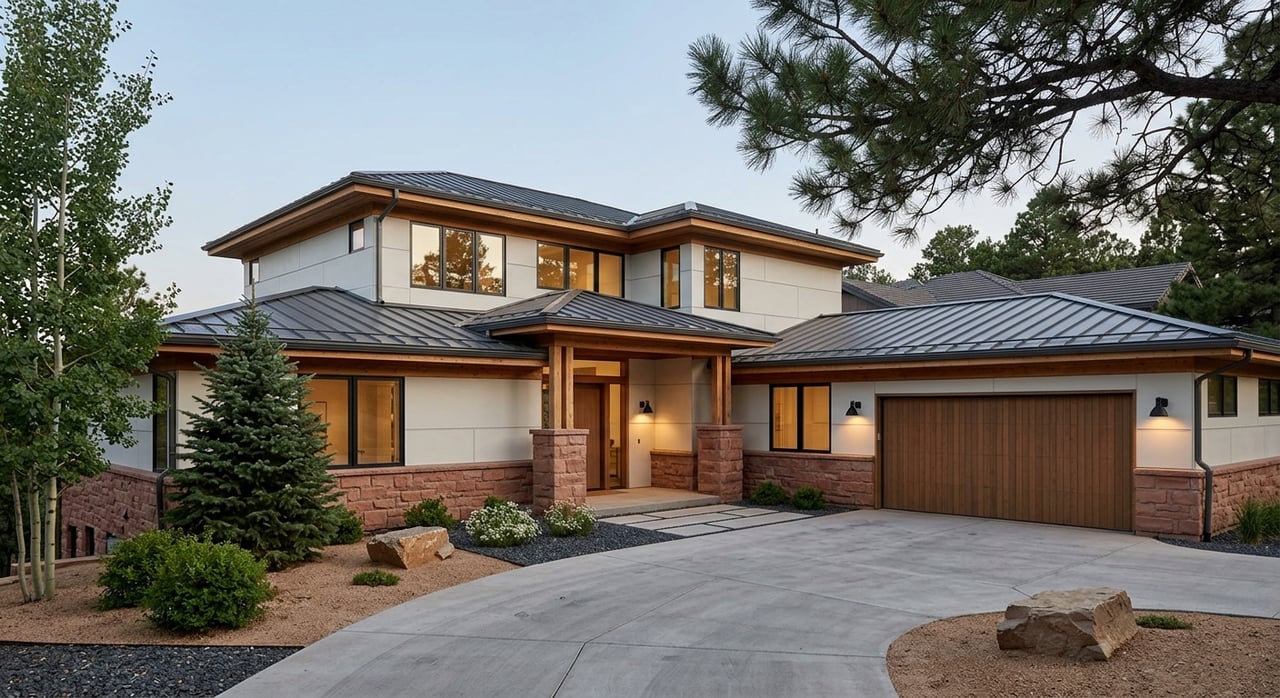
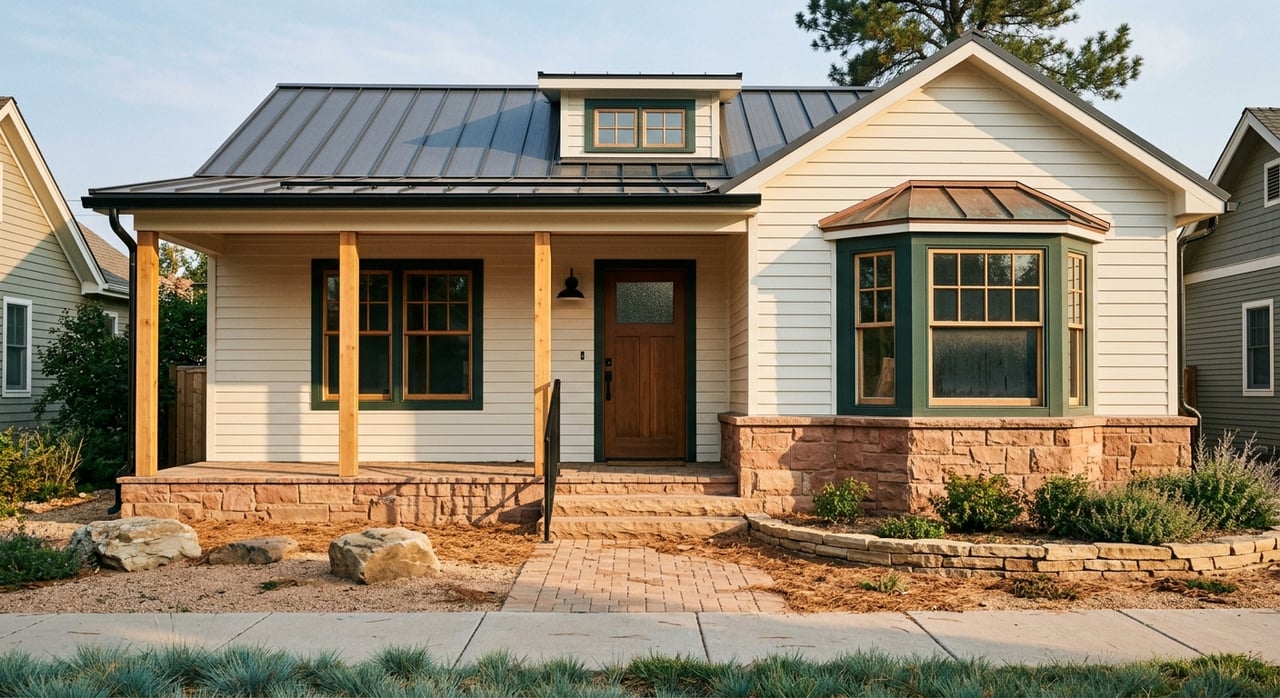
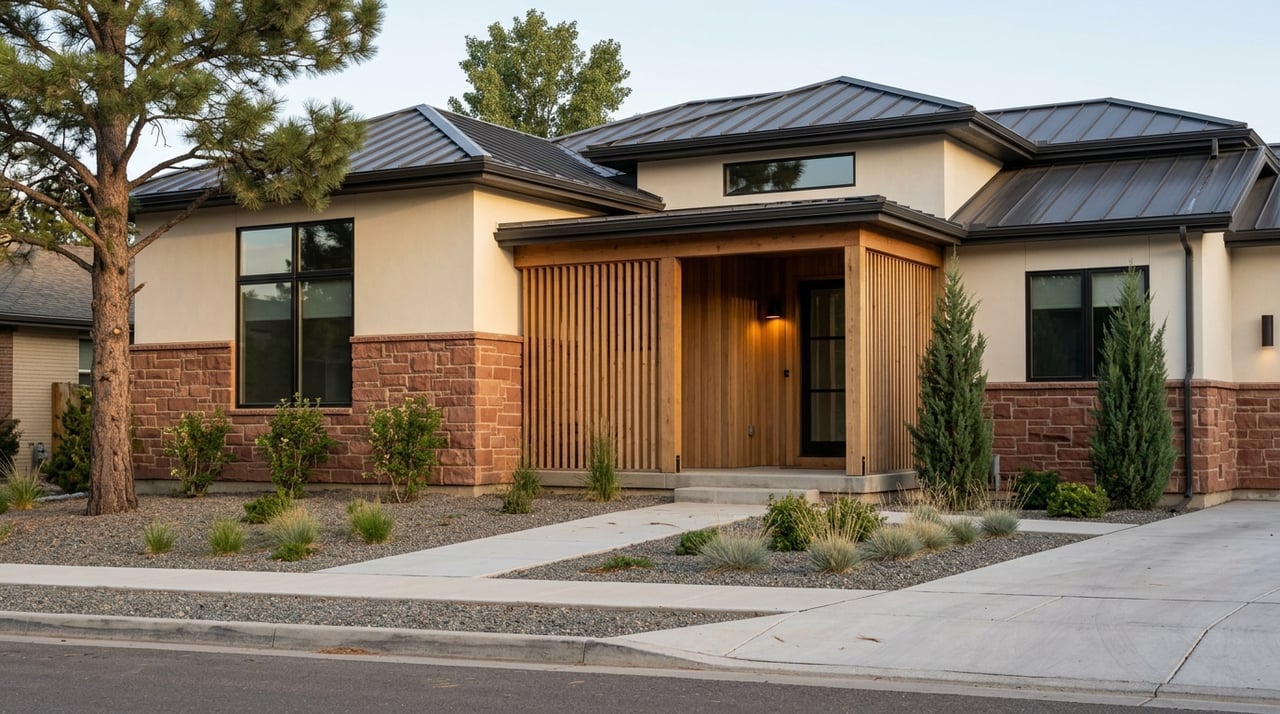
Suburban living is still the dominant pattern across Colorado Springs. City planning documents make that clear, and the housing appendix notes that much of the new housing stock will continue to be built as single-family homes. This is one reason the suburban side of the market remains such a major draw for buyers.
A regional housing assessment reports that single-family detached homes make up about 60.9 percent of the city’s housing stock, while multifamily units account for about 22.6 percent. The city’s zoning code also includes a range of single-family districts, along with two-family, multifamily, and mixed-use neighborhood districts. In practical terms, that means suburban areas are more likely to offer the classic detached-home setup many buyers picture.
For many households, suburban living means driveways, garages, larger lots, and a more residential pace. Depending on the area, you may also find townhomes, newer mixed-use pockets, or accessory units, but the overall experience is typically less dense and more vehicle-centered than downtown.
Suburban areas often offer more space
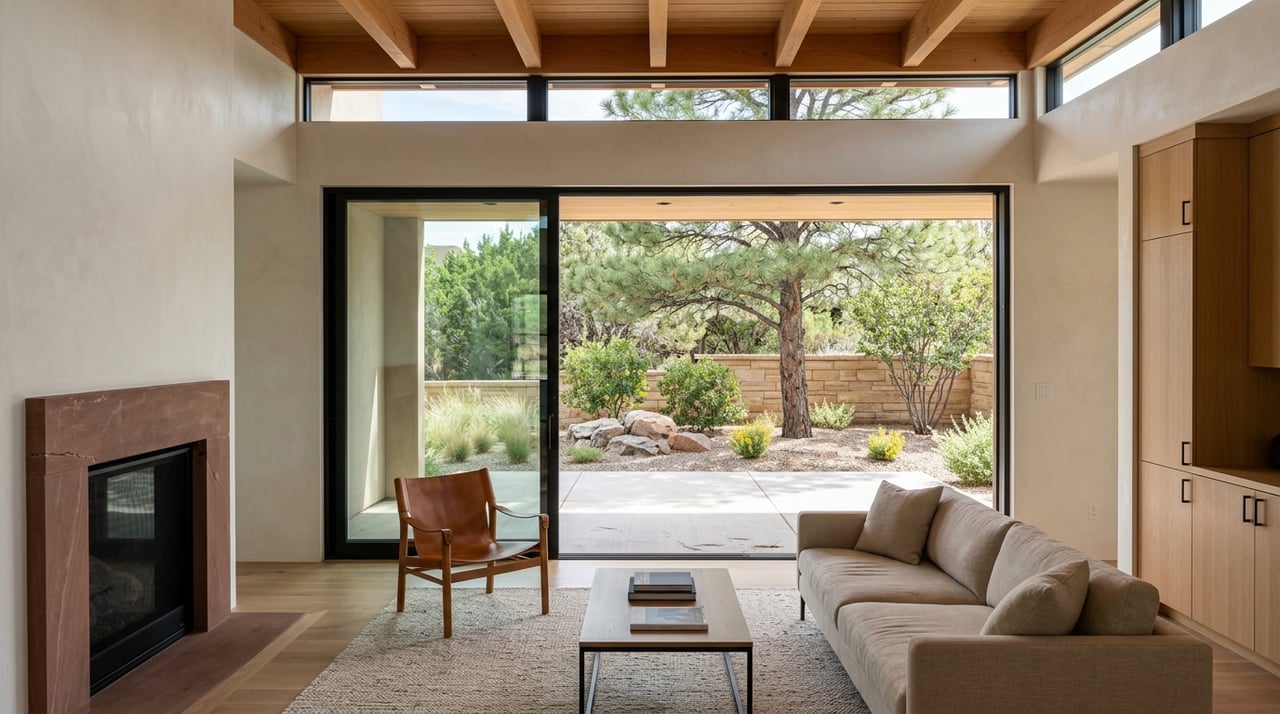
If square footage, storage, outdoor space, or room to spread out are high on your list, suburban living may check more boxes. That can matter for move-up buyers, downsizers who still want single-level or detached living, and relocating households trying to balance commute, home size, and budget.
This is also where local guidance becomes especially valuable. Colorado Springs has many different neighborhood patterns, and not every suburban area feels the same. Some are closer to commercial nodes and trail systems, while others feel more tucked away and residential.
Suburban life usually means more driving
The tradeoff is convenience by car rather than convenience on foot. The city’s mean travel time to work is 22.7 minutes, and El Paso County’s is 23.5 minutes, so commutes are not extreme by big-metro standards. Still, suburban living generally means you will drive more often for errands, dining, and entertainment.
Mountain Metro does serve parts of the wider city and region, but the highest concentration of transit, restaurants, arts, and walkability remains downtown. If your ideal routine includes quick access to shops and cafes without getting in the car, the suburbs may feel less convenient. If your priority is space and a quieter residential setup, the tradeoff may feel well worth it.
Outdoor access is a strength citywide
One of the best things about Colorado Springs is that outdoor access is not limited to one part of town. The city reports more than 9,000 acres of parkland and 500 acres of trails, with an urban trail system that includes more than 100 miles of multi-use trails. Major recreation areas include Garden of the Gods, North Cheyenne Canyon, Palmer Park, and Ute Valley Park.
That means both downtown and suburban residents can enjoy the region’s outdoor lifestyle. The question is less about whether you can access parks and trails, and more about how you want that access to fit into your routine.
Downtown outdoor living is more urban
Downtown still offers meaningful outdoor access, just in a different format. The Legacy Loop is an approximately 10-mile trail, park, and recreation loop around downtown, shaped by the Pikes Peak Greenway, Shooks Run Trail, and the Rock Island Corridor. Downtown also connects to places like Acacia Park and America the Beautiful Park.
If you want a city setting with nearby parks, paths, and public spaces, downtown can work well. It offers an easier blend of urban activity and outdoor breaks without requiring the detached-home suburban setup.
Suburban outdoor access feels more residential
Suburban living often pairs well with the same regional outdoor network, but from a more residential base. For many people, that means easier car access to trailheads, open-space destinations, and weekend recreation while still coming home to a quieter neighborhood setting.
This is part of why the downtown-versus-suburban decision in Colorado Springs is often a lifestyle question first. Both options connect you to the outdoors. The difference is whether you want that access wrapped in a more urban routine or a more traditional residential one.
How to choose the better fit
If you are torn between the two, focus less on labels and more on how your week actually works. Think about where you spend your time, how often you want to drive, and what kind of home setup supports your day-to-day life best.
Here are a few questions worth asking yourself:
- Do you want restaurants, coffee shops, and entertainment closer to home?
- Do you prefer an apartment or multifamily setup, or do you want a detached home?
- How important are a yard, garage, or larger lot?
- Do you want to walk or bike for some errands, or are you fine driving most places?
- Would you rather be in a more compact, active area or a more residential setting?
For some buyers, the answer becomes obvious once they picture a normal Tuesday instead of an idealized weekend. That is often the clearest way to tell whether downtown or suburban living will feel right long term.
Why local guidance matters
Colorado Springs is broad, varied, and highly neighborhood-specific. Even within the downtown and suburban categories, your experience can differ depending on the exact area, housing type, and proximity to amenities. A boutique local advisor can help you sort through those differences with much more clarity than a map search alone.
That is especially helpful if you are relocating, rightsizing, or comparing options across several parts of the metro. With deep local roots and a hands-on approach, Robin Chambon can help you weigh lifestyle, location, and home type so you can make a move with confidence.
FAQs
What is downtown living like in Colorado Springs?
- Downtown Colorado Springs offers a more compact lifestyle with strong access to restaurants, shops, arts, culture, and transit, with housing that tends to be more apartment and multifamily oriented.
What is suburban living like in Colorado Springs?
- Suburban Colorado Springs generally offers more detached homes, larger lots, garages, and a more car-dependent routine, with a more residential feel than downtown.
Is Colorado Springs mostly urban or suburban?
- Colorado Springs is described in city planning documents as a large, expansive city with a predominantly suburban development pattern, even though downtown remains the city’s mixed-use and cultural heart.
Does downtown Colorado Springs have public transit options?
- Yes. Mountain Metro Transit serves the area, and The Zeb provides a free downtown shuttle with stops near several central destinations.
Do both downtown and suburban Colorado Springs have access to parks and trails?
- Yes. Colorado Springs has more than 9,000 acres of parkland, 500 acres of trails, and more than 100 miles of urban multi-use trails, so outdoor access is a strength across the city.
Which Colorado Springs lifestyle is better for less driving?
- Downtown is generally the better fit if you want to walk, bike, or use transit for more daily activities, while suburban living usually involves more driving for errands and entertainment.