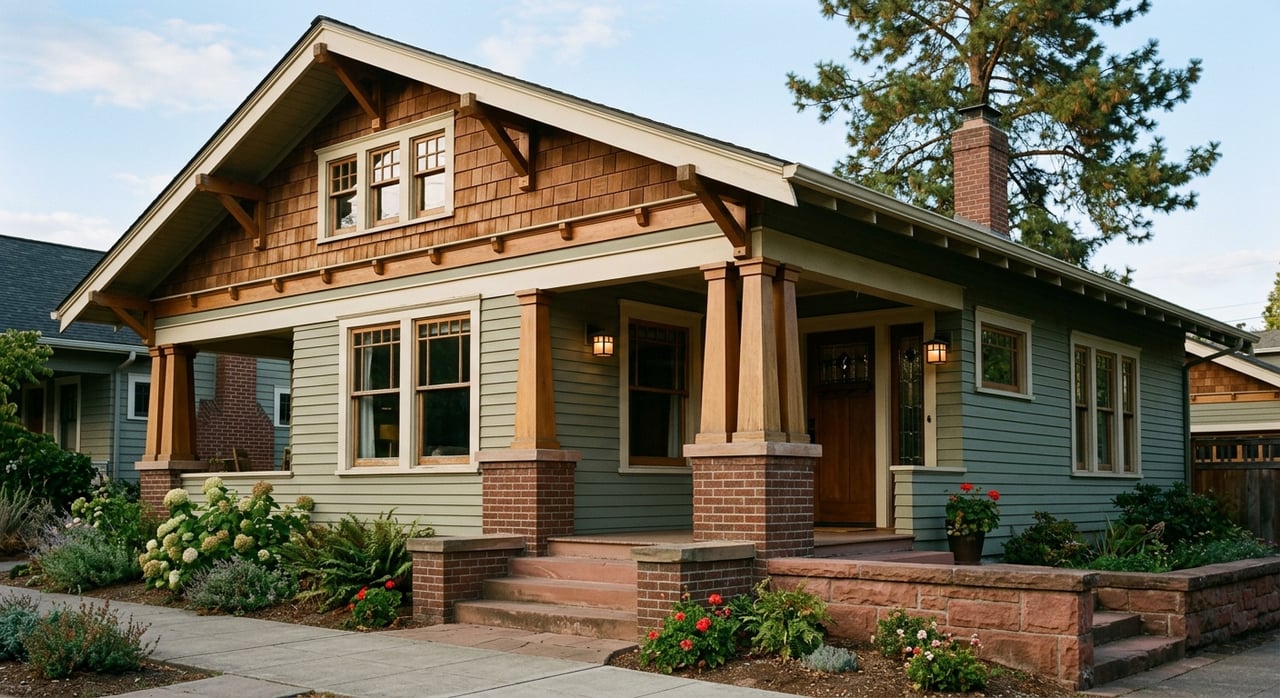
Wondering why so many homes in Manitou Springs feel unlike anywhere else near Colorado Springs? That distinctive look is not an accident. It comes from a resort-town past, steep mountain terrain, and decades of preservation efforts that still shape what buyers and owners can do today. If you are drawn to historic homes here, understanding the architecture can help you spot character, ask smarter questions, and plan updates with confidence. Let’s dive in.
Why Manitou Springs Feels So Distinct
Manitou Springs began as a scenic health resort in 1872 and was incorporated in 1876. The city notes that it has had a local historic district since 1980 and Certified Local Government status since 1987. The Manitou Springs Historic District is also listed on the National Register of Historic Places, which reflects the area’s long-standing preservation significance.
That history helps explain why the town feels layered rather than uniform. The city’s design guidelines describe 16 preservation subdistricts, each shaped by different building periods, lot patterns, and hillside conditions. In practical terms, you will see everything from grand resort-era homes to compact cottages built to fit the slope.
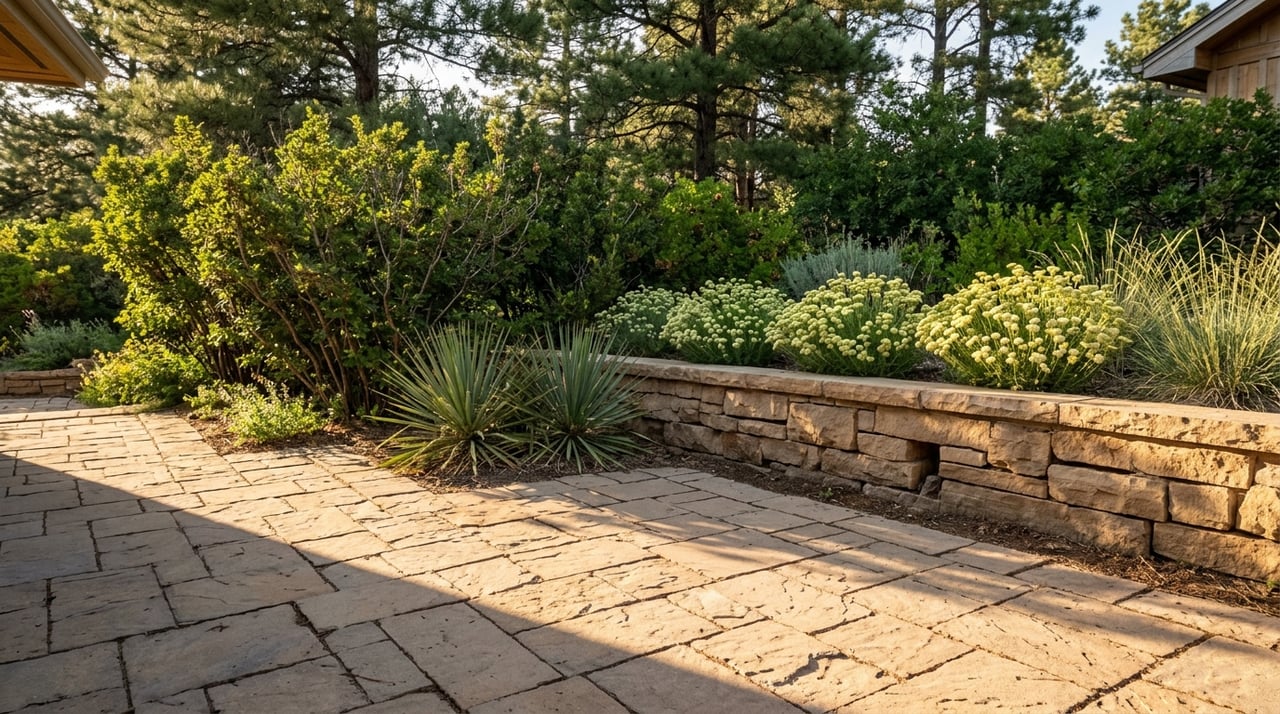
Topography plays a major role too. Manitou Springs developed across steep, irregular terrain, so homes often relate closely to the land around them. Retaining walls, terraces, stairways, and garage placement are often part of the architectural story, not just site features.
Architectural Styles You’ll See Most
Victorian Homes in Manitou Springs
Many of the town’s most eye-catching historic homes date to the late 19th century. In Manitou Springs, Victorian architecture can include Queen Anne, Shingle, Folk Victorian, Stick, and Richardsonian Romanesque styles. That means you should not expect one single “Victorian look.”
Instead, you may notice steep or irregular rooflines, towers, bay windows, spindlework, shingle cladding, and rough stone masonry. Some homes are highly decorative, while others are more restrained. The common thread is craftsmanship, variety, and strong visual character.
The city identifies areas like Agate Hill, Ruxton, and Upper Washington as places where high-style Victorian homes and eclectic resort architecture stand out. If you are touring homes in these hillside areas, pay close attention to how the house and site work together. Stone retaining walls and elevated entrances are often just as important as the trim details.
Craftsman Bungalows and Cottages
If your taste leans simpler and more grounded, you may be drawn to Manitou Springs’ Craftsman-era homes. These typically feature low-pitched gables, exposed rafters, porch columns, knee braces, and stone chimneys. They often feel practical, comfortable, and closely tied to the landscape.
The Midland subdistrict is especially notable for bungalow and cottage forms. The city describes it as a terraced neighborhood connected to the old railroad right-of-way, with wood-frame homes, cut-stone walls, and many bungalow-style houses. For buyers, this can be a great area to study if you like early 20th-century design with a more modest scale.
Manitou Springs also has a distinct Summer Cottage type dating from about 1910 to 1940. These are generally small vacation houses with dormers, full-width porches, clapboard or shingle siding, and stone foundations. They often deliver a lot of charm in a relatively compact footprint.
Modern and Mid-Century-Era Homes
Not every older home in Manitou Springs looks Victorian or Craftsman. The city’s guidelines also identify Modern and International-era buildings from roughly the mid-20th century. These homes tend to have simpler forms and less ornament.
You may see low or flat roofs, wide eaves, exposed structural members, unusual window placement, and clean lines. For buyers who appreciate a quieter architectural style, these homes can offer a different kind of character. They are still part of the town’s historic story, especially as Manitou evolved through the era of auto tourism and later development.
Eclectic Hillside Properties
Some of the most memorable homes in Manitou Springs do not fit neatly into one category. In hillside districts like Agate Hill, Upper Washington, and Ruxton, the architecture is often eclectic and shaped heavily by the terrain. Homes may combine stone and wood shingles, terraced outdoor spaces, and creative placement on steep lots.
This matters because in Manitou Springs, the site itself often drives design decisions. A house may have stairs instead of a broad front walk, a garage tucked into the slope, or retaining walls that define the experience of the property. When you tour these homes, it helps to evaluate both the structure and the way it sits on the land.
How History Shaped the Housing Stock
One reason Manitou Springs feels so varied is that different parts of town developed for different residents and uses. According to the city’s guidelines, wealthier residents clustered along Grand Avenue, while more modest homes were built on the hillsides south of Manitou Avenue. That pattern still helps explain why the housing stock ranges from formal showpieces to smaller, terrain-adapted homes.
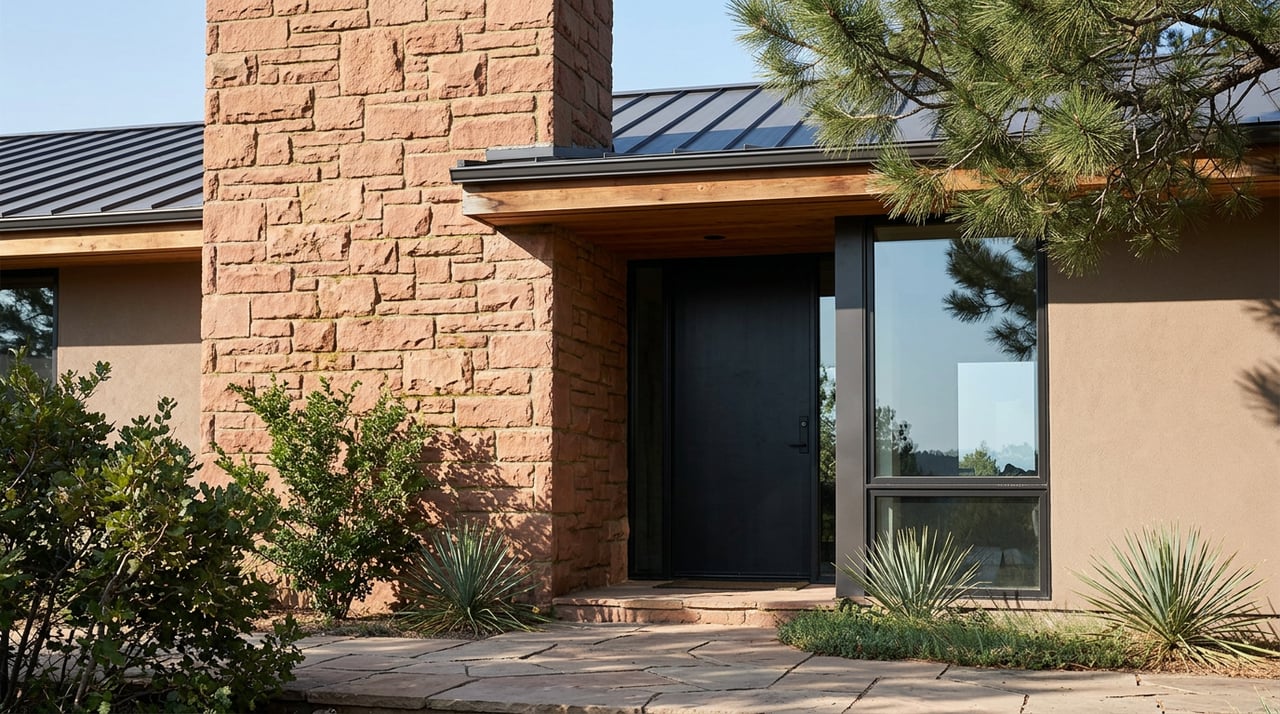
The city also notes a shift over time from frame construction to brick and native stone. Stone became especially important in houses, bridges, retaining walls, and stairs. Today, those materials remain a defining part of the local look and one reason many properties feel so rooted in place.
The grand Queen Anne hotels of the resort era, including the Barker House and Cliff House, also left a visual legacy. Even if you are shopping for a single-family home, that hospitality history helps explain the town’s decorative flair, layered streetscapes, and mix of formal and informal architecture.
What Buyers Should Notice During a Tour
Historic homes can be exciting, but they reward careful observation. In Manitou Springs, it helps to look beyond finishes and focus on features that affect both character and future planning.
Here are a few things worth noting as you walk a property:
- Original wood windows and their condition
- Stone retaining walls, stairs, chimneys, and foundations
- Roof shape and how visible it is from the street
- Porch details, siding materials, and trim proportions
- How the house sits on the slope and how you access it
- Whether additions feel secondary to the original structure
These details matter because the city’s preservation guidelines place strong emphasis on original materials, historic proportions, and street-visible facades. A home with intact features may offer more architectural value. It may also call for a more thoughtful approach if you plan to make changes later.
Updating a Historic Home Respectfully
Owning a historic home in Manitou Springs does not mean you have to freeze it in time. The city encourages energy-efficient and water-conserving improvements, and homes can absolutely be updated for modern living. The key is making changes in a way that remains visually secondary to the original house and site.
The preservation guidelines emphasize keeping original materials and proportions whenever possible. They support repairing historic wood windows instead of replacing them when feasible, maintaining original sash shapes and glass, and avoiding roof changes or oversized additions that overpower the house.
If you are thinking about an addition, the city says it should be equal in height or subordinate to the existing structure and maintain the original orientation. That is especially important in a place where lot shape, slope, and streetscape all contribute to the character of the home.
Stonework deserves special attention. The guidelines say to preserve historic stone walls, bridges, and stairs and not cover them with stucco or cement coatings. If a new retaining wall or stair system is needed, the city expects it to align with the appearance and placement of nearby historic work.
Permits and Preservation Review to Know
If you are buying a historic property in Manitou Springs, it is smart to understand the review process before planning exterior work. In the local historic subdistricts, projects visible from a public right-of-way generally fall under historic preservation review. The city’s Historic Preservation Commission reviews Material Change of Appearance Certifications before work proceeds.
The good news is that ordinary maintenance and repair of existing structures are exempt according to the city. Still, many remodeling and construction projects require permits. Manitou Springs says it requires a Property Improvement Permit for any work that needs a Pikes Peak Regional Building Department permit, and the city states that almost all interior and exterior remodeling and construction projects need a permit before work begins.
Timing also matters. The city requires pre-application meetings for requests that go before the Historic Preservation Commission or City Council unless the Planning Director waives that step. Those meetings must be scheduled at least 10 working days before the relevant submittal deadline, which can affect project planning.
For buyers, this does not need to be a red flag. It simply means historic ownership comes with an extra layer of process. With the right expectations, that process can help protect the features that made you fall in love with the home in the first place.
Preservation Incentives That May Help
Some owners may qualify for limited financial help on preservation work. The city’s Vicky Bunsen Doucette mini-grant can cover up to 75% of project costs, with a maximum of $2,000 per property per year, for eligible work. Qualifying categories can include windows and doors, stonework, exterior painting, siding repairs, historic finishes, gutters, downspouts, and some mechanical, electrical, and plumbing repairs.
The city also points to local incentive awards and Colorado preservation tax credits for eligible historic properties. If you are considering a purchase because of a home’s architectural character, these programs may be worth asking about early in your planning process.
Why Local Guidance Matters in Manitou Springs
Buying or selling a historic home here is not just about square footage or style names. It is about understanding subdistricts, slope, visible features, review timelines, and what makes one property more adaptable than another. In a market like Manitou Springs, local context can make a real difference.
If you are buying, that means knowing how to evaluate charm alongside maintenance and future project feasibility. If you are selling, it means presenting the home in a way that highlights architectural value, preserved details, and the setting that makes the property unique.
That is where thoughtful, local representation matters. A nuanced home deserves more than a generic search or marketing approach. If you want help understanding historic homes in Manitou Springs or positioning one for sale, connect with Robin Chambon for knowledgeable, tailored guidance.
FAQs
What architectural styles are common in Manitou Springs historic homes?
- Common styles include Queen Anne, Shingle, Folk Victorian, Stick, Richardsonian Romanesque, Craftsman bungalows, Summer Cottages, and some Modern or International-era homes.
What should buyers look for in a Manitou Springs historic home?
- Pay attention to original windows, stonework, roof shape, porch details, retaining walls, slope access, and whether later additions feel secondary to the original house.
Do historic homes in Manitou Springs require special approval for exterior work?
- Yes, if the property is in a local historic subdistrict and the project is visible from a public right-of-way, it generally requires historic preservation review before work begins.
Are permits required for remodeling a home in Manitou Springs?
- In many cases, yes. The city says almost all interior and exterior remodeling and construction projects need a permit before work starts.
Can you modernize a historic home in Manitou Springs?
- Yes, but updates are typically most successful when they preserve original materials and proportions and remain visually secondary to the historic structure and site.
Are there preservation grants for historic homes in Manitou Springs?
- The city offers the Vicky Bunsen Doucette mini-grant for eligible preservation work, with funding up to 75% of project costs and a $2,000 annual maximum per property.