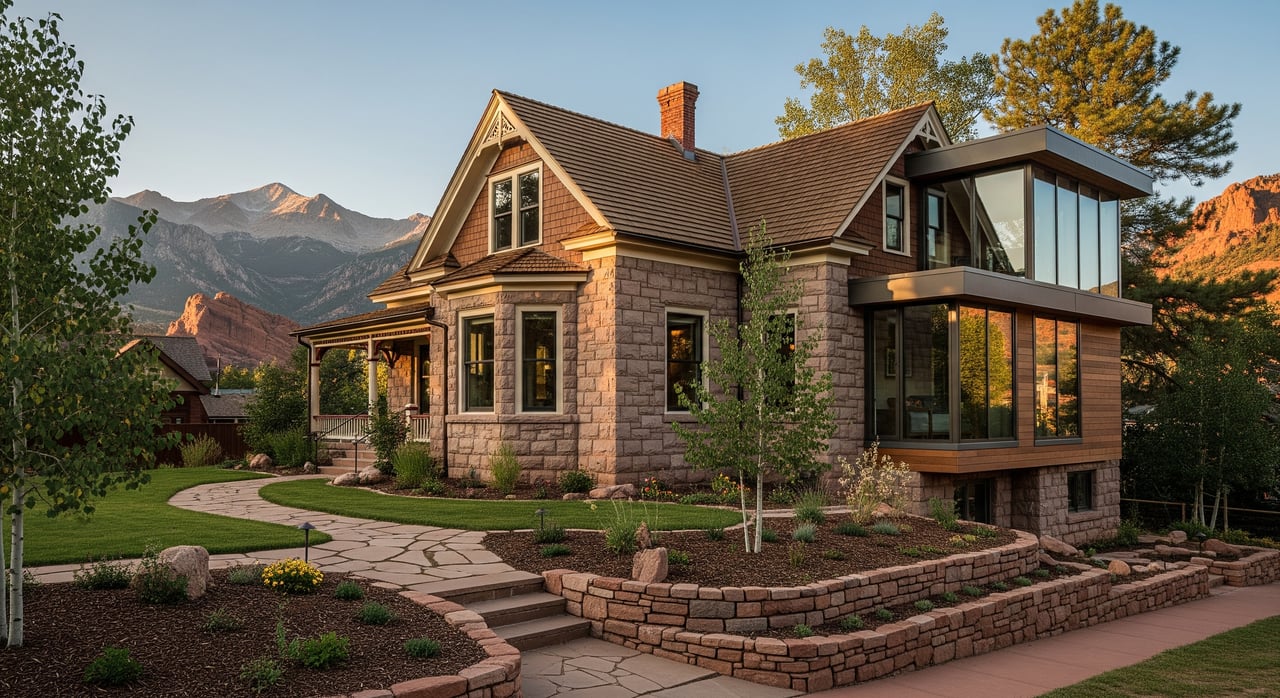
Two Manitou Springs homes can sit on the same block and close at very different prices. If you are planning to sell, that gap can feel confusing. You want a number you can trust, not a guess. In this guide, you will learn the local and property factors that move value in Manitou Springs, how pros price homes, and the steps to get a defensible number for your sale. Let’s dive in.
What drives value in Manitou Springs
Historic character and designation
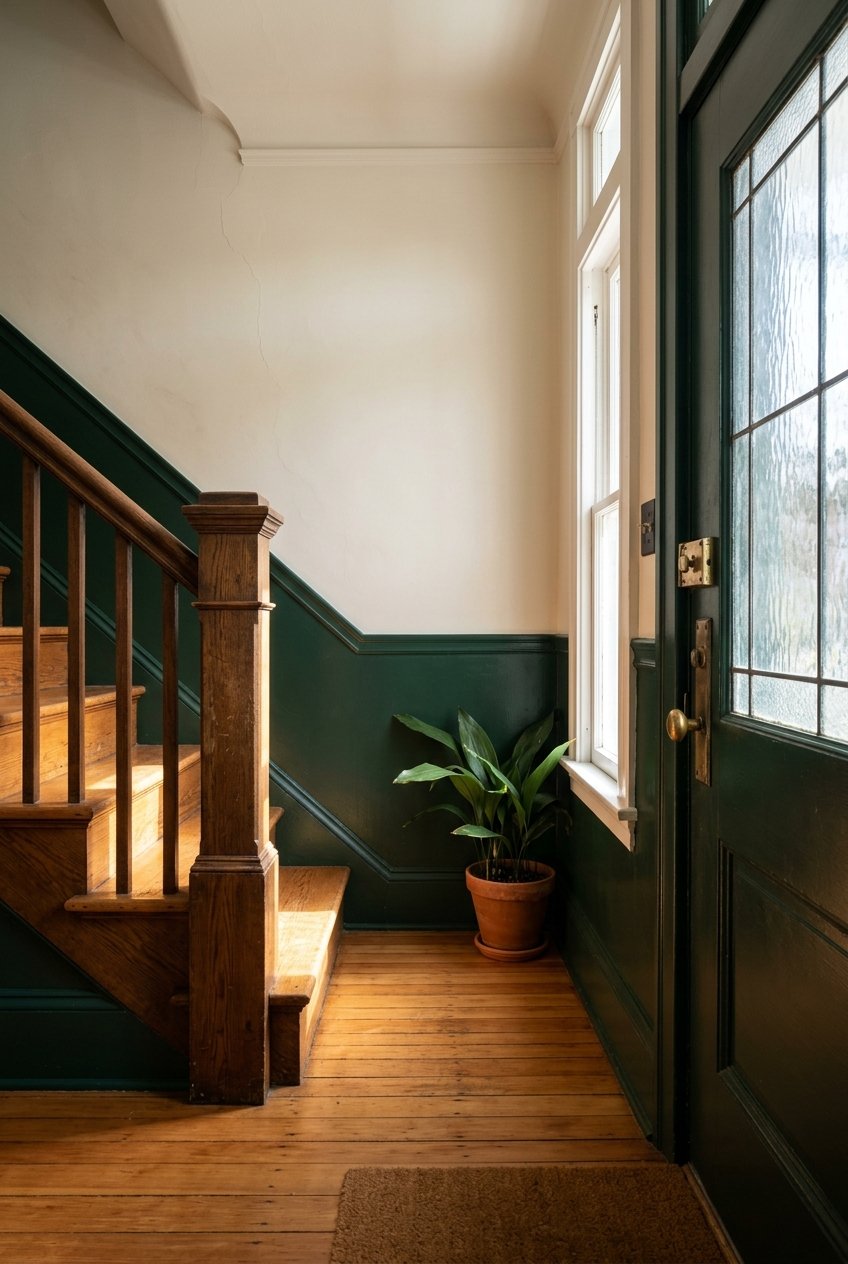
Manitou Springs is known for its Victorian and turn‑of‑the‑century homes. Historic status can be a plus and a constraint at the same time. Many buyers pay more for authenticity and preserved details. Others may hesitate if exterior changes require review.
Before you price, confirm your home’s status and any past approvals. You can review local guidelines with the City’s Planning and Historic Preservation team on the City of Manitou Springs website. For broader background, explore the National Register of Historic Places. If you made changes, be clear about what was permitted and what was not. That clarity protects value and buyer confidence.
Views that move the needle
Views to Pikes Peak, Garden of the Gods, or canyon ridgelines are a distinct value driver. Appraisers and buyers look at the type of view, whether it is likely to stay open, and if you enjoy it from daily living spaces or the backyard. A panoramic, permanent view generally carries more weight than a partial or seasonal one. Orientation and sun exposure also matter in daily use.
Outdoor access and walkability
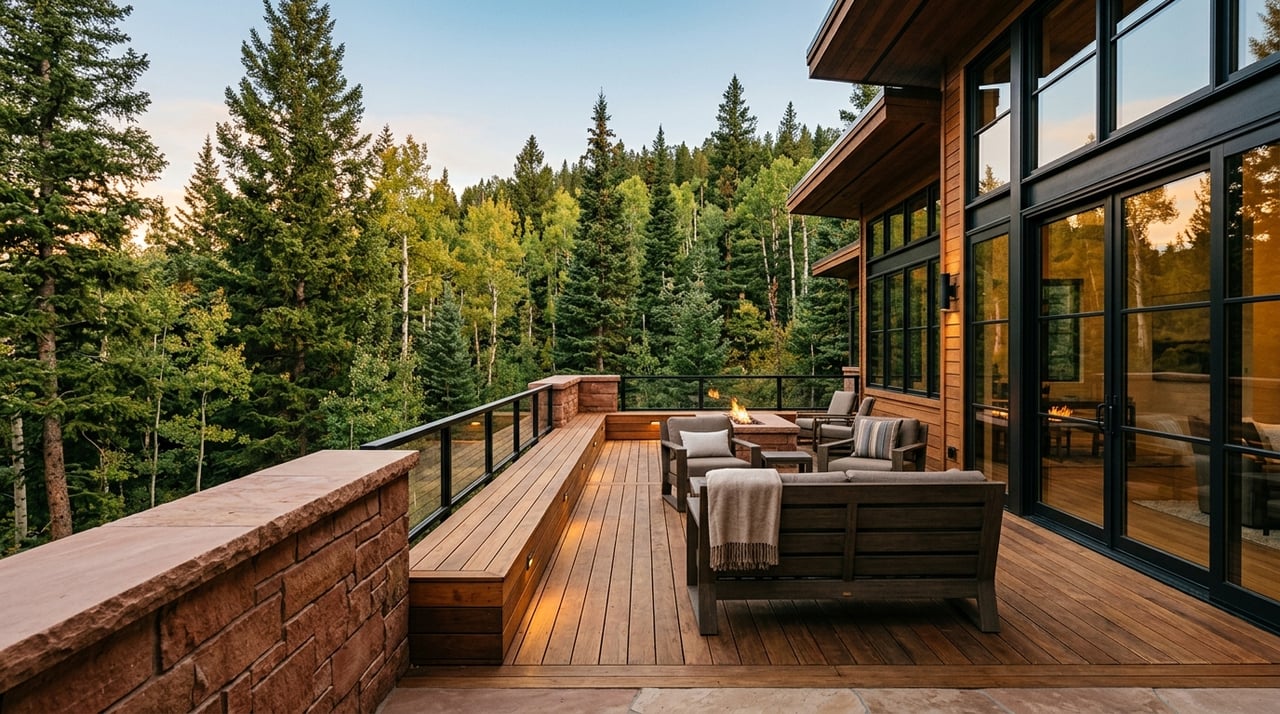
Manitou Springs attracts buyers who love the outdoors. Proximity to the Manitou Incline, Barr Trail, parks, and downtown shops can boost buyer interest. When you evaluate your lot, look at usable outdoor living, like decks, patios, and terraces, not lot size alone. Steeper parcels may need thoughtful landscaping to create flat areas that people actually use.
Micro‑market differences by block
Value can shift quickly over short distances here. Elevation bands, street‑by‑street walkability, slope stability, and whether you are within the historic core or a newer pocket all affect pricing. In practice, that means the best comps are often on the same street or a few nearby blocks with similar elevation, view exposure, and lot usability.
Site constraints and parking
Narrow streets, steep driveways, limited on‑site parking, and construction access challenges are common in Manitou Springs. Buyers often discount for tricky parking or unusable yards. On the flip side, engineered driveways, well‑built retaining walls, or terraced landscaping can restore or add value by improving everyday function.
Hazard and insurance factors
Wildfire exposure, localized slope or rockfall risk, and possible flash‑flood concerns in canyon areas can affect insurance and buyer decisions. Check your status on the FEMA Flood Map Service Center and review wildfire mitigation resources through the Colorado State Forest Service. If your parcel needs mitigation or carries higher premiums, factor those costs into pricing and buyer conversations.
How to value your home accurately
Automated estimates vs local reality
Online AVMs provide quick numbers by blending public records and recent sales. They can be a starting point, but in Manitou Springs their accuracy can swing because of small sample sizes, historic features, steep lots, and view premiums. AVMs rarely see interior condition, permitted improvements, or parking constraints. For context on valuation practices, review NAR guidance on appraisals and valuation.
CMA and BPO
A Comparative Market Analysis from a local listing agent uses recent MLS sales and human judgment to weigh view quality, elevation, walkability, and historic status. A Broker Price Opinion follows a similar approach. Strengths include real‑time local knowledge and the ability to select the right micro‑market comps. Results can vary by agent experience, so choose someone who works in Manitou Springs often and can explain each adjustment.
Licensed appraisal
A state‑licensed appraiser inspects the property and produces a report that lenders accept. Appraisers rely on the sales comparison approach and make adjustments for view, condition, lot, and historic status. In areas with few recent similar sales, appraisals can still vary, but for unique historic or view homes, a full appraisal with interior inspection is the most defensible professional valuation.
Which to choose and when
- For a listing price: start with a local CMA. If your home is highly unique or high‑value, consider a pre‑listing appraisal to support pricing and reduce renegotiation risk.
- For mortgages and refinances: an appraisal is required.
- For quick checks: use AVMs as a rough reference only, not a final answer.
The data that matters
Official records to verify
Accurate pricing starts with accurate facts. Confirm parcel size, legal description, and record of permits. The El Paso County Assessor maintains property data and tax history. Zoning, historic guidelines, and building permit questions can be addressed with the City of Manitou Springs. If you have easements or right‑of‑way questions, review county plats and recorded documents.
Hazard and zoning checks
Identify any flood, wildfire, or slope risks early and gather insurance information. FEMA flood zones and state wildfire risk maps help you quantify exposure. If mitigation steps have been completed, document them and keep receipts. Buyers respond well to clear, proactive risk management.
Documents to gather before pricing
Having a complete file streamlines valuation and builds buyer trust:
- Recent utility bills and property tax bills
- Copies of permits and inspections for major work, such as additions, roof, foundation, HVAC, electrical, or plumbing
- Survey or plat map showing lot lines and easements
- Floor plan and room dimensions, if available
- Recent professional photos and a list of upgrades with materials and dates
- HOA documents or CC&Rs, if applicable
- Prior appraisal or CMAs
- Historic approvals, restrictions, or preservation incentives used
Smart pricing strategy in a small market
- Use tight comps. In Manitou Springs, the right comp is often on your street or a few blocks away, with similar elevation, view, lot usability, and historic status. Look at the most relevant sales in the past 6 to 12 months.
- Price for the current inventory. When supply is tight, distinctive homes can capture stronger premiums. When supply grows, niche features may matter less. Your agent should review active and pending competition, not just closed sales.
- Think about timing. Seasonal buyer patterns can affect traffic. Align preparation, photography, and launch with periods of higher activity when possible.
- Consider a pre‑listing appraisal if the home is highly unique or if there is disagreement on price. This can help support your list price and reduce surprises during underwriting.
Practical adjustments buyers make
When you and your agent form a price opinion, expect to weigh these common adjustments:
- View quality: panoramic, partial, or blocked, plus permanence and orientation
- Historic status: buyer demand for authenticity balanced with exterior change rules and maintenance considerations
- Condition and systems: roof, HVAC, electrical, plumbing, and any deferred maintenance
- Lot usability: terraces, retaining walls, and flat areas that support outdoor living
- Access and parking: on‑site parking and garage space are valuable in many Manitou locations
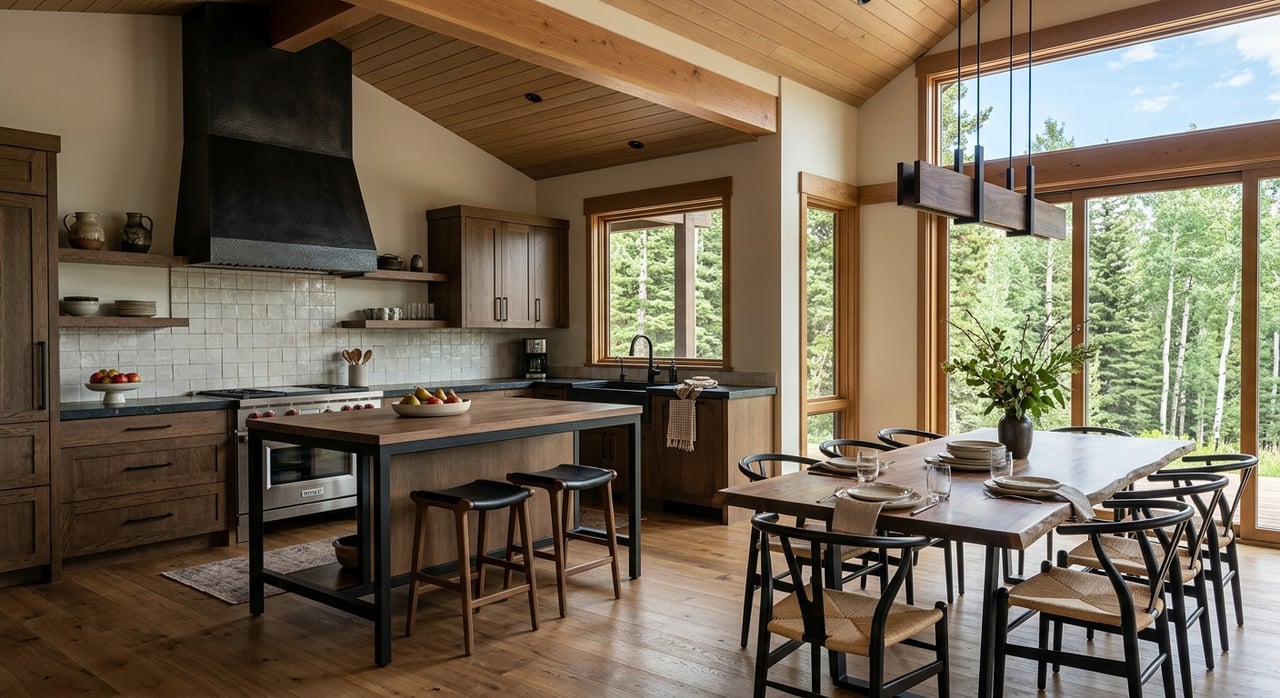
- Energy and modern amenities: updated kitchens and baths, energy retrofits, and documented permits increase buyer confidence
Quick self‑check: could your price be higher?
- Resolve permit questions. If any work was done without permits, consult the City to clarify or cure before listing.
- Improve usability. Add or refresh terraces, steps, or railings that make outdoor areas safer and more functional.
- Address access and parking. Small fixes, like clear signage for off‑street spaces or minor grading for a smoother approach, can widen your buyer pool.
- Tackle deferred maintenance. Roof, paint, gutters, and system tune‑ups support stronger offers and cleaner inspections.
- Showcase the view. Trim or manage vegetation where allowed and safe. Arrange furniture to highlight key sightlines in photos and showings.
- Document risk mitigation. Keep proof of wildfire mitigation, drainage improvements, or insurance updates.
- Elevate presentation. Staging, professional photography, and targeted marketing can help you capture the full value of a historic or view property. If you prefer to make improvements before listing, ask about Compass Concierge, a program that can help fund select pre‑listing updates that may improve your net.
A precise price is never just a number pulled from a website. It is a local story told by your street, your lot, your view, your improvements, and the buyers who want your lifestyle. When those pieces are gathered and presented well, you protect your time and your equity.
Ready to see where your home should land in today’s market? Reach out to Robin Chambon for a local CMA, a clear plan, and a premium presentation tailored to Manitou Springs.
FAQs
Why does an online estimate differ from an agent CMA in Manitou Springs?
- AVMs use broad data and often miss local nuances like views, steep lots, historic constraints, parking, and interior condition, while a local CMA weighs close comps and human judgment for those details.
Does historic designation raise or lower value here?
- It depends on the buyer pool. Authentic character can increase demand, while exterior review rules and maintenance needs can narrow interest, so the net effect is market specific.
How tightly should comps be matched in Manitou Springs?
- Tighter than in flat suburbs. Prioritize same street or nearby blocks, similar elevation and view exposure, similar lot usability, and the same historic status within the most recent 6 to 12 months.
Should I order a pre‑listing appraisal for a unique home?
- Consider it if your home is highly unique, you and your agent disagree on price, or you want a lending‑defensible baseline that can reduce renegotiation risk later.
What hidden issues most often affect value locally?
- Unpermitted work, slope or retaining wall problems, limited parking, deferred maintenance from mountain weather, and higher insurance or mitigation costs for wildfire‑prone parcels.