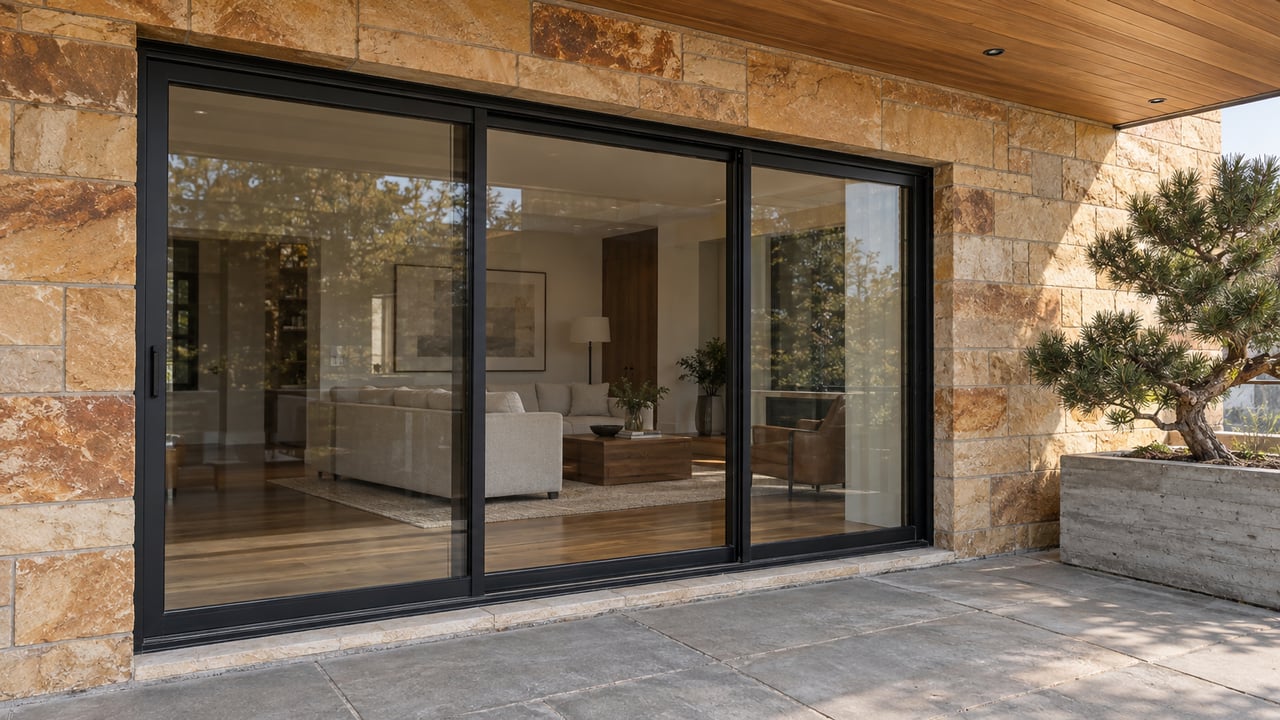
A buyer finds a listing in Manitou Springs with a line in the description that changes everything for them: "currently operating as a successful short-term rental." The photos show a renovated Victorian two blocks from Manitou Avenue, the kind of place that could plausibly pay for itself on weekends. The buyer runs the math on what the listing agent says it earns, factors that into the offer, and closes thirty days later expecting to list it on Airbnb the following weekend.
Then they call the city's Planning Department to transfer the permit and learn there is nothing to transfer. The permit died with the sale.
The Permit Belongs to a Person, Not a Property
Manitou Springs treats a short-term rental permit as something closer to a personal license than a feature of the house. The city's own short-term rental page states the rule plainly:
The short-term rental unit permit does not run with the property, but is issued to the specific owner of the property. The permit shall expire upon sale or transfer of the property.
That single sentence is the mechanism this whole market runs on, and it is easy to miss if you are reading a listing description instead of the ordinance. The seller's permit, their history of compliance, their booking calendar, none of it survives closing. A new owner has to apply from scratch, which means passing the same conditions the seller once did: owner-occupancy for at least 185 days a year, a minimum 500-foot separation from any other permitted short-term rental.
Some older guidance circulating online suggests newly issued permits might run with the land going forward, distinct from the grandfathered ones that came before them. The city's current published rule does not carve out that exception. If a listing is marketed around its rental income, the only way to know whether that income has any bearing on your ownership is to call the Planning Department directly and confirm the permit's status before you write an offer, not after you own the house.
ManitouSprings.com notes that some buyers build that uncertainty into the contract itself, making their purchase contingent on the city approving a new permit before they are obligated to close. It is a reasonable way to protect against paying a premium for income you may never be legally allowed to collect.
A Cap That Was Never Designed to Grow
The non-transferability rule would be a minor inconvenience if new permits were easy to get. They are not, by design.
Manitou Springs limits short-term rentals to 2% of the city's residential structures, calculated against the state demography office's count from the year the ordinance took effect. That baseline was 2,800 structures in 2013, which caps the program at roughly 56 permits citywide. Once that number is reached, the city stops accepting new applications entirely.
The cap exists because of what happened before it. In 2015, city officials estimated that about 40 percent of the people renting homes on sites like Airbnb and VRBO in Manitou Springs were doing so without any permit at all. The city responded with a one-year moratorium on new applications, then wrote the current ordinance the following year, deliberately capping supply rather than trying to regulate an open-ended market after the fact.
Because permits expire at every sale and the total number allowed is fixed, the pool does not refresh itself. Every time a permit-holder sells, that slot does not automatically go to the next owner or the next applicant in line. It simply becomes available again under the same restrictive terms, assuming the city hasn't already hit its ceiling. Industry trackers following short-term rental regulation across Colorado's mountain towns describe this as a pattern: permit caps paired with non-transferability mean the number of legal units tends to shrink over time through attrition rather than hold steady. Manitou Springs is a clean example of that structure in action.
What the Math Looks Like Right Now
Scarcity by itself does not tell you whether an existing permit is worth chasing. The last twelve months of market data suggest the answer is more complicated than "there are only 56 of these, so they must be valuable."
| Metric (year over year, through June 2026) | Change |
|---|---|
| Revenue per listing | Down 18.0% |
| Occupancy | Down 7.7% |
| Average daily rate | Down 5.7%, to $206 per booked night |
| Active listings | Up 13.6%, to 242 total |
Those last two lines are the ones worth sitting with. Supply grew while revenue per listing fell, which means more properties are competing for a demand pool that did not grow with them. A short-term rental data platform tracking the market found the median host in Manitou Springs earning around $37,090 a year, with top performers closer to $52,000. Weigh that against a typical home value in Manitou Springs of roughly $548,503 as of this year, and the picture sharpens: even a well-run short-term rental in this market is not generating anything close to what it would take to justify the purchase price on rental income alone. It is a supplement to ownership, not a substitute for equity or appreciation.
None of this means the town's tourism draw has faded. The Manitou Incline still pulls hikers before sunrise, the Pikes Peak Cog Railway still runs from the same depot it always has, and Garden of the Gods is close enough to be a weekend habit rather than a special trip. What the numbers suggest is that the value of buying in Manitou Springs and the value of buying a functioning Airbnb in Manitou Springs are two different calculations, and the second one has gotten harder to pencil out over the past year, not easier.
What This Means If You're Buying With Income in Mind
The owner-occupancy requirement is worth taking seriously on its own terms. A new permit requires you to live in the home at least 185 days a year, which rules out the pure investment model many buyers picture when they hear "short-term rental." Manitou Springs' rules are built around a resident who hosts occasionally, not an absentee owner running a full-time booking calendar.
That framing changes who this market actually suits. A buyer who wants a primary residence or a genuine part-time home, with the option to host a handful of weeks a year if the numbers work and the permit comes through, is working with the grain of the ordinance. A buyer whose entire offer price depends on someone else's existing rental income is building on a foundation that legally cannot follow them to closing.
Central Manitou Springs also sits largely within a National Register historic district, which means exterior changes to many of these homes go through Historic Preservation Commission review before they happen. That is a separate layer from the short-term rental rules, but it matters for the same reason: the character that makes these homes appealing to renters in the first place is also the thing the city is actively working to preserve, and that preservation runs through a different set of approvals than the permit itself.
If you're evaluating a specific address, the most useful thing you can do before writing an offer is confirm three things directly with the city: whether the current STR permit count is at, near, or below the cap, whether the property in question has ever held a permit and what its transfer history looks like, and whether the 500-foot separation rule leaves room for a new permit at that location at all. None of that information is reliably visible from a listing page.
A Few Quick Answers
Can I buy a house that already operates as a short-term rental and simply keep it running? No. The permit expires at the point of sale. You would need to apply for a new one under the current rules, including the owner-occupancy requirement, and there is no guarantee of approval or of an open slot under the cap.
Is the city currently accepting new short-term rental applications? That depends on how close the count is to the roughly 56-permit cap at any given time, which shifts as permits lapse or renew. Contact the Planning Department directly for the current number before assuming either way.
Does any of this matter if I just want a home to live in? No. These rules only affect buyers planning to operate a short-term rental.
If you're weighing a purchase in Manitou Springs, whether it's a full-time move, a part-time mountain home, or a property where occasional hosting is part of the plan, it helps to have someone confirm what a specific address can and cannot do before you're under contract. Colorado Springs Collective can walk through the current permit landscape with you and help you price a home based on what it can actually deliver, not just what the listing says it once did.
This article is general information, not legal, tax or financial advice. Consult a qualified professional about your situation.