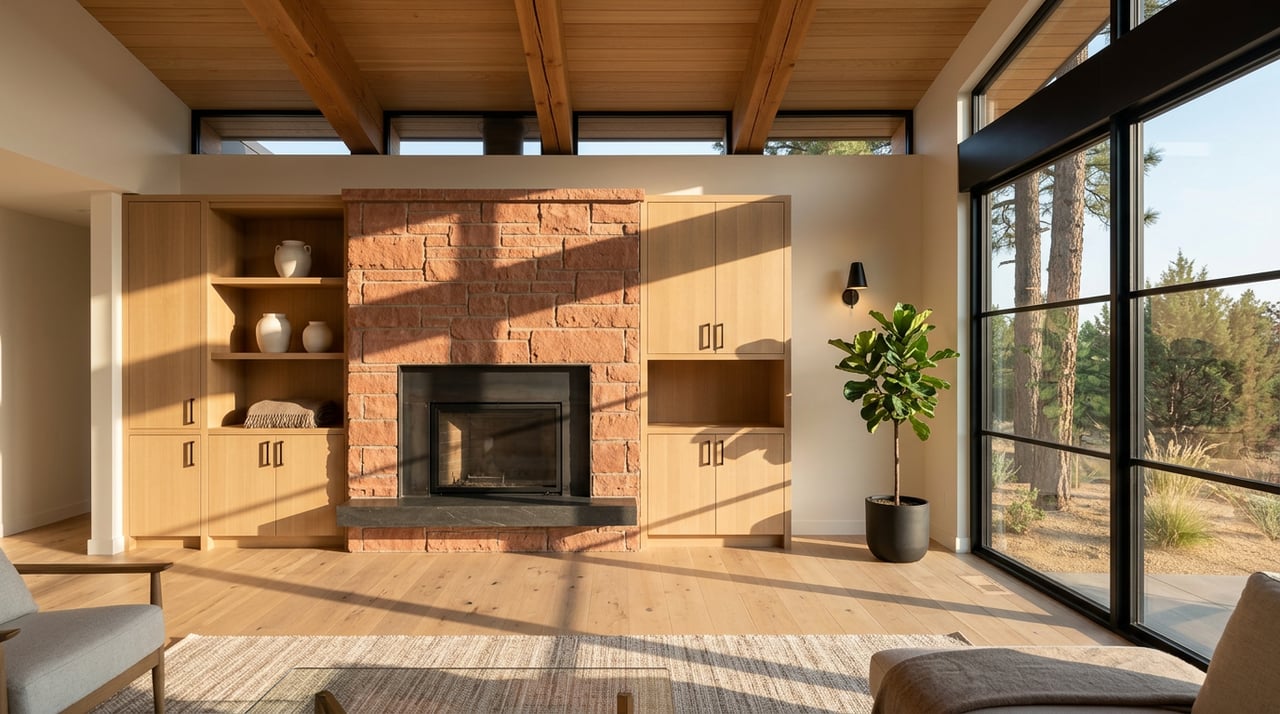
Dreaming of a cozy log cabin tucked in the pines or a sleek, low‑maintenance home close to town? In Woodland Park, both options are on the table, and choosing between them can feel like two very different lifestyles. You want mountain character without surprises, or modern comfort without missing out on views. In this guide, you’ll compare styles, utilities, inspections, pricing cues, and practical costs so you can buy with confidence. Let’s dive in.
Woodland Park at a glance
Set at roughly 8,460 to 8,480 feet, Woodland Park is known as the “City Above the Clouds,” with easy access to trails and Pike National Forest and a commute of about 20 to 35 minutes to Colorado Springs. Learn more about the city from the official site at Woodland Park’s city page. As of March 2026, market trackers reported median home values loosely grouped in the $490,000 to $565,000 range. Exact figures vary by source and method, so use current comps before you make an offer.
Cabin charm: what you get
Defining features and lots
Cabin and chalet-style homes typically feature exposed wood or log elements, steep rooflines, big windows, and expansive decks that frame forest or peak views. Many sit on larger, irregular, or hillside lots at the edge of wooded areas, which can increase privacy and the need for defensible space. Teller County’s Community Wildfire Protection Plan highlights ongoing mitigation priorities you should understand as an owner. Review recent work and local context using the county’s CWPP resource.
Systems and daily living
Older cabins were often built as getaways rather than full-time residences, so insulation, wiring, and plumbing can vary. Heating may include wood or pellet stoves, electric baseboards, or propane rather than natural gas. If a wood or pellet stove is present, confirm certification and best practices using the EPA’s Burn Wise guidance. Expect a more hands-on ownership style, especially in winter.
Ownership watchouts
- Logs and chinking: Check for checking, failing chinking/caulk, staining from moisture, and settlement patterns. A log-home–qualified inspector is a smart hire. See InterNACHI’s log-home inspection overview.
- Roof, decks, and drainage: Snow loads and freeze-thaw cycles can drive wear. Confirm roof age, slope, and how meltwater is directed away from the foundation.
- Chimney and venting: Get a Level I or II chimney inspection if a stove or fireplace is present, and verify clearances and cleaning records. The EPA’s Burn Wise FAQ is a helpful reference.
- Insects and moisture: Wood construction needs regular sealing and vigilant moisture control to reduce risk of decay or pests.
- Septic and well: If outside city services, review septic permits and schedule a full evaluation. Teller County provides process details for buyers at Septic Services. If there’s a private well, obtain well logs and a pump test.
Contemporary homes: what you get
Layouts and conveniences
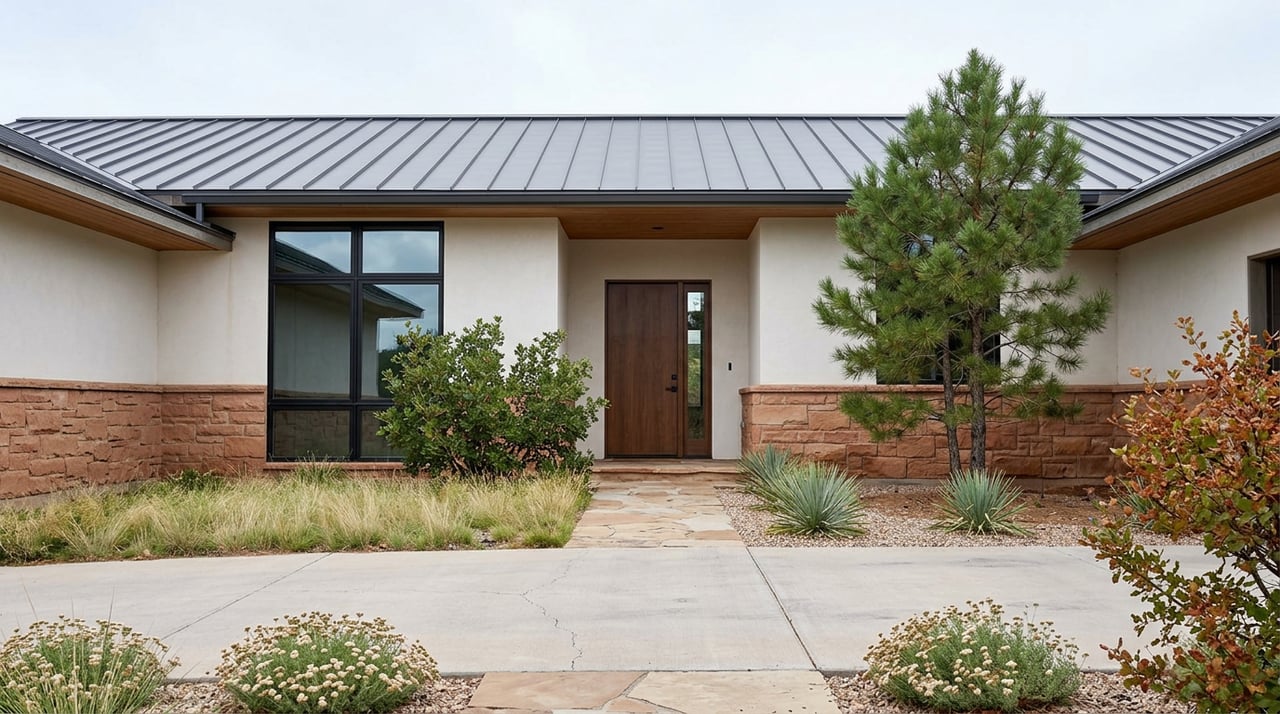
Newer or subdivision homes typically offer open plans, modern kitchens, attached garages, and code-compliant mechanicals. Inside city limits, many homes connect to municipal water and sewer, and you can confirm billing through the city’s utilities page. These properties are designed for year-round living and commuter convenience.
Lot patterns and HOAs
You’ll see more regular, modest-size lots in town and larger-lot communities toward the outskirts. Some neighborhoods include HOA rules or shared amenities. Do not assume hookups. Always verify whether a property is on city water/sewer or a well and septic before you write an offer.
Ownership watchouts
- Permits and warranties: Confirm building permits closed properly and request records for mechanical systems. If the home is newer, plan an 11th‑month warranty inspection.
- Energy performance at elevation: Check insulation, ventilation, and heating capacity. Properly sealed ductwork and right-sized systems improve comfort at 8,400+ feet.
- Roof and exteriors: High-UV sun and snow make material choice and installation quality important. For local climate patterns, see Woodland Park climate data.
- HOA and insurance: If there is an HOA, review CC&Rs, insurance coverage, and special assessment history. For consumer guidance, consult the Colorado Division of Insurance’s homeowner and HOA toolkit.
Price signals in Woodland Park
As of March 2026, multiple trackers placed Woodland Park’s median around the mid‑$500s. Style alone does not set value. Lot, view, age, systems, and access drive pricing up or down.
Factors that can increase price:
- Premium views of Pikes Peak or adjacency to public land
- Larger square footage, modern finishes, or recent construction
- Strong energy upgrades, modern HVAC, and engineered foundations
Factors that can decrease price:
- Older systems that need electrical, plumbing, or HVAC updates
- Septic and well versus city services when buyers prefer in-town utilities
- Steep, unpaved, or long driveways that add winter maintenance costs
- Limited wildfire mitigation history or dense vegetation near structures
Use these signals as a guide, then review recent, like‑kind comps to set your target range.
Wildfire, winter, and insurance
Wildfire mitigation matters
Wildfire risk is part of mountain living. Teller County and partner agencies invest in community-scale fuels reduction through programs outlined by the state’s Strategic Wildfire Action Program and the local CWPP. Ask sellers for mitigation records, defensible-space assessments, and any Firewise participation.
Winter access and costs
U.S. 24 is plowed, but storms, elevation, and driveway slope affect daily life. Budget for plowing, snow tires, and possibly a generator. Request recent utility bills to estimate winter heating at altitude. The city offers seasonal readiness info at Woodland Park’s site, and you can review local climate norms here: Woodland Park climate data.
Insurance reality check
Insurers increasingly consider mitigation work, roof materials, and ember-resistant features when pricing coverage. Get quotes early for the specific property and discuss nonrenewal risks or wildfire conditions. Start with the Colorado Division of Insurance’s homeowner and HOA toolkit.
Quick buyer checklist
- Confirm utilities: city water/sewer versus well and septic. If septic, pull permits and schedule a full evaluation through Teller County Septic Services.
- Order specialized inspections: log-home–qualified inspection for cabins, chimney Level I or II if a stove or fireplace exists, plus well testing if applicable. See InterNACHI’s log-home inspection overview.
- Verify winter access and maintenance: who plows the road or driveway, HOA or owner? Ask for recent heating bills to budget high-elevation operating costs.
- Review wildfire readiness: gather recent mitigation records and defensible-space notes, and read the county CWPP for local context.
- Check HOA and insurance: if applicable, review CC&Rs, financials, and master policy; then secure at least two homeowners insurance quotes using the Colorado DOI guidance.
Which one fits you?
Choose a cabin if you value character, privacy, and direct connection to the forest, and you are comfortable managing active maintenance and seasonal prep. Choose a contemporary home if you want modern systems, easier upkeep, and simpler access to city services and commuter routes. You can also target a hybrid: a newer, mountain‑modern home on a treed lot with updated systems and proof of wildfire mitigation.
Ready to compare real properties and get clear on the tradeoffs for your lifestyle and budget? Reach out to Robin Chambon for local guidance, current comps, and a step‑by‑step plan to buy with confidence in Woodland Park.
FAQs
Are cabins cheaper than contemporary homes in Woodland Park?
- Not always; many smaller or remote cabins sell below the median, but unique cabins with big views or acreage can price above it, so use recent local comps.
What extra inspections should I budget for on a cabin purchase in Woodland Park?
- Plan for a log-home–qualified inspection, a Level I or II chimney inspection if there is a stove or fireplace, plus septic and well evaluations if applicable.
How does wildfire mitigation affect resale and insurance in Woodland Park?
- Completed mitigation and defensible space can improve insurability and buyer confidence; review the county’s CWPP and request seller documentation of work.
Will I be able to get homeowners insurance near forested areas in Woodland Park?
- Usually yes, but requirements and premiums vary; get quotes early and review guidance from the Colorado Division of Insurance.
Can I use a Woodland Park cabin as a short‑term rental?
- Regulations vary by city, county, and HOA; verify current rules with Woodland Park’s official resources at the city site.